
Everything You Need to Know About Lipedema and Its Treatment
What Is Lipedema?
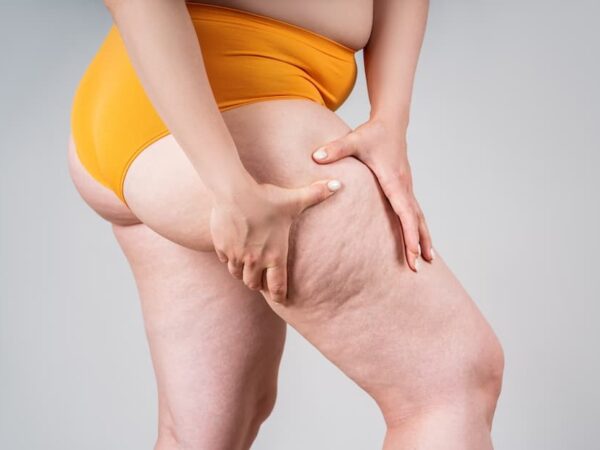
Lipedema is a chronic medical condition characterized by an abnormal accumulation of fat cells, primarily in the legs, thighs, hips, and sometimes the arms. Unlike ordinary obesity, lipedema fat is often resistant to diet and exercise.
The condition mainly affects women and commonly develops during hormonal changes such as puberty, pregnancy, or menopause.
Causes of Lipedema
While the exact cause remains unclear, several factors are associated with the condition:
- Genetic predisposition.
- Hormonal changes.
- Abnormal fat distribution mechanisms.
Lipedema vs. Obesity
- Lipedema differs from obesity in several ways:
- Symmetrical fat accumulation in the limbs.
- Feet and ankles are often unaffected.
- Pain and tenderness in affected areas.
- Easy bruising.
- Poor response to diet and exercise.
Common Symptoms
- Enlarged legs or arms disproportionate to the rest of the body.
- Pain, heaviness, and discomfort.
- Frequent bruising.
- Swelling that worsens throughout the day.
- Emotional and psychological impact.
Is Treatment Suitable for Everyone?
Treatment may be suitable for patients who:
- Have confirmed lipedema.
- Experience pain or discomfort.
- Have not achieved desired improvement through lifestyle changes.
- Are in good general health.
A medical consultation is necessary to determine the most appropriate treatment plan.
How Is Lipedema Diagnosed?
Diagnosis typically includes:
- Clinical examination.
- Medical history review.
- Excluding similar conditions such as obesity or lymphedema.
Treatment Options
Conservative Treatment
- Compression garments.
- Exercise programs.
- Weight management.
- Lymphatic drainage therapy.
Lipedema Liposuction
For suitable candidates, liposuction can significantly reduce abnormal fat deposits and improve symptoms.
Benefits may include:
- Better body proportions.
- Reduced pain and heaviness.
- Improved mobility.
- Enhanced self-confidence.
Recovery and Results
Results vary depending on the severity of the condition and the patient’s overall health. Most patients notice gradual improvement in both appearance and symptoms over the following months.
Conclusion
Lipedema is more than a cosmetic concern; it is a medical condition that can significantly affect quality of life. Early diagnosis and proper treatment can help patients achieve lasting improvements in comfort, mobility, and confidence.