
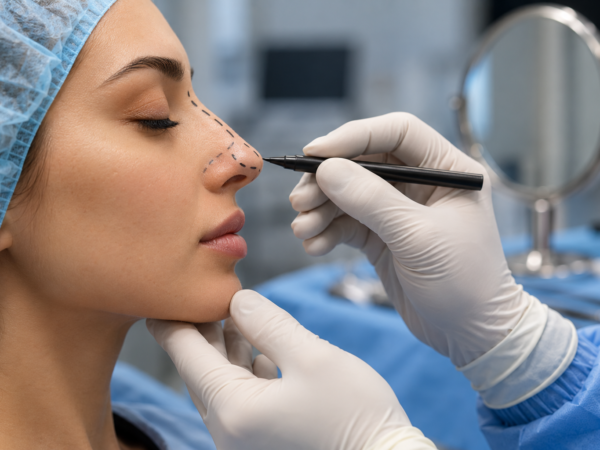
Rhinoplasty in Jordan: A Complete Guide to Nose Reshaping, Recovery, and Results
Rhinoplasty, commonly known as nose reshaping or a nose job, is one of the most individualized procedures in plastic surgery. It can be performed to change the size, shape, or proportions of the nose and may also be considered when structural nasal problems affect breathing. The goal is not simply to make the nose smaller, but to create a shape that is balanced with the patient’s other facial features while addressing the concerns that matter most to them.
For patients considering rhinoplasty in Jordan, understanding the procedure, possible techniques, recovery process, limitations, and expected results is an important part of making an informed decision.
What Is Rhinoplasty?
Rhinoplasty is a surgical procedure used to reshape the nasal bones, cartilage, and surrounding structures. Depending on the patient’s anatomy and goals, surgery may involve removing, reshaping, repositioning, or adding structural tissue.
Rhinoplasty may be considered for several reasons, including:
- Improving the overall proportions and appearance of the nose
- Addressing an unwanted nasal hump or depression
- Refining the nasal tip
- Adjusting nasal width or nostril shape
- Correcting certain asymmetries
- Addressing changes caused by injury
- Correcting some structural problems associated with nasal breathing
The exact surgical plan is highly personalized because every nose has a different bone structure, cartilage framework, skin thickness, and relationship to the rest of the face.
Why Do People Choose Rhinoplasty?
Many patients are unhappy with a particular feature of their nose rather than wanting an entirely different nose. Common concerns can include a prominent bridge, a nasal tip that appears too wide or droopy, asymmetry, excessive nasal width, or proportions that do not feel harmonious with the rest of the face.
In some cases, rhinoplasty may also be considered when structural nasal problems contribute to difficulty breathing. The clinic’s rhinoplasty service notes that patients may seek surgery for both aesthetic concerns and certain breathing-related problems.
The objective should generally be improvement rather than trying to achieve an unrealistic idea of perfection. A successful treatment plan should take the patient’s facial proportions and individual anatomy into consideration.
Is Rhinoplasty Suitable for Everyone?
No. Rhinoplasty is not automatically suitable for every person who wants to change their nose.
A suitable candidate is generally someone whose facial growth is complete, who is in appropriate physical health, does not smoke or is able to stop smoking as advised, and has realistic expectations about what surgery can achieve.
A consultation is especially important when a patient:
- Has significant breathing problems
- Has had previous nasal surgery
- Has experienced nasal trauma
- Has complex nasal asymmetry
- Has medical conditions or takes medications that may affect surgery or healing
- Expects a completely different facial appearance from surgery
The final decision should be made after a medical assessment and discussion of the patient’s goals, anatomy, health history, and expectations.
How Is Rhinoplasty Performed?
Rhinoplasty typically begins with a detailed consultation and assessment. Dr. Mutaz Al Shakhanbeh’s clinic states that the process includes reviewing the patient’s medical history and performing the examinations and imaging considered necessary for planning the procedure.
During surgery, the surgeon reshapes the nasal bones and cartilage according to the patient’s individual requirements. The specific steps vary significantly from one patient to another.
Two commonly discussed approaches are open and closed rhinoplasty.
Open Rhinoplasty
Open rhinoplasty involves an incision in the columella, the tissue between the nostrils, allowing greater access to the underlying nasal structures.
Closed Rhinoplasty
Closed rhinoplasty uses incisions inside the nostrils. Depending on the patient’s anatomy and surgical goals, this approach may be appropriate in selected cases.
The choice between techniques is not simply a matter of preference. The anatomy of the nose, the extent of correction required, previous surgery, and the surgeon’s treatment plan all influence the appropriate approach.
Can Rhinoplasty Improve Breathing?
Rhinoplasty is often associated with cosmetic changes, but nasal surgery can also address certain structural problems that contribute to breathing difficulties.
For example, when a patient has a deviated septum, correction may sometimes be performed during the same operation. The clinic specifically notes that septal deviation may be corrected at the same time when appropriate.
However, cosmetic rhinoplasty should not automatically be considered a treatment for every type of breathing problem. Proper assessment is necessary to identify the underlying cause.
Preparing for Rhinoplasty
Preparation is an important part of the surgical process.
Before surgery, the surgeon should understand the patient’s medical history, medications, previous procedures, allergies, expectations, and specific concerns.
Patients may receive instructions regarding medications and activities before surgery. Certain medications and supplements can increase bleeding or bruising, so patients should never stop or change prescribed medications without discussing this with their doctor.
A detailed preoperative consultation also gives patients the opportunity to ask about:
- The planned surgical technique
- Anesthesia
- Expected recovery
- Potential risks and complications
- When they can return to work
- When they can exercise
- Postoperative care
- The expected timeline for visible and final results
What Is Rhinoplasty Recovery Like?
Recovery is gradual. Swelling and bruising are expected during the early postoperative period, and the appearance of the nose continues to change as the tissues heal.
The American Society of Plastic Surgeons notes that initial swelling generally decreases over the first few weeks, but the nose may continue to refine for up to a year.
The clinic advises patients to follow their prescribed medications and postoperative instructions, avoid strenuous exercise and heavy lifting for approximately four to six weeks, avoid blowing the nose for a period determined by the surgeon, and keep the head elevated during the first few days.
The First Week
The first week is usually focused on rest, protection of the nose, controlling swelling, and following postoperative instructions. A splint or external support may be used depending on the surgical technique.
The Following Weeks
Swelling and bruising gradually improve, but the nose may still appear different from its final shape. Patients should avoid activities that could accidentally injure the nose while it is healing.
The Long-Term Result
One of the most important things to understand about rhinoplasty is that the final result does not appear immediately. Swelling can persist for months, and refinement may continue for up to a year or longer in some cases.
What Are the Risks of Rhinoplasty?
Like any surgical procedure, rhinoplasty carries potential risks and complications.
Possible risks can include bleeding, infection, anesthesia-related complications, changes in sensation, persistent swelling, scarring, breathing difficulties, asymmetry, dissatisfaction with the appearance, and the possibility of revision surgery. Rare complications can also occur.
Understanding these risks is an essential part of informed consent. During consultation, patients should discuss their individual risk factors and the specific complications relevant to their planned procedure.
Will Rhinoplasty Make My Nose Look Completely Different?
Not necessarily.
Rhinoplasty is highly personalized, and the appropriate goal is usually to create a more balanced relationship between the nose and the rest of the face rather than create an identical “ideal” nose.
The final appearance depends on several factors, including:
- Bone and cartilage structure
- Skin thickness
- Existing asymmetry
- Nasal anatomy
- Surgical technique
- Healing response
- The patient’s individual facial proportions
This is why realistic expectations are one of the most important parts of the consultation.
How Long Do Rhinoplasty Results Last?
Rhinoplasty creates structural changes to the nose and is generally considered a long-term surgical procedure. However, the nose continues to change naturally with aging, and the final appearance can also be influenced by injury, healing, and other factors.
Patients should also understand that revision surgery may occasionally be necessary depending on the individual case and outcome.
Rhinoplasty in Jordan: Why Consultation Matters
Choosing rhinoplasty is a personal decision, and consultation is one of the most important stages of the process.
At Dr. Mutaz Al Shakhanbeh Clinic in Amman, the rhinoplasty service includes evaluation of the patient’s medical history, necessary examinations, discussion of the expected postoperative appearance, and preparation instructions before surgery.
Rather than relying only on photographs or general descriptions of rhinoplasty, patients should have their individual anatomy and goals assessed before deciding which surgical approach is appropriate.
Frequently Asked Questions About Rhinoplasty
Is rhinoplasty only for cosmetic purposes?
No. Rhinoplasty can be performed for aesthetic concerns and, in selected cases, to address structural problems that affect nasal function or breathing.
How long does rhinoplasty recovery take?
Initial recovery generally takes several weeks, but swelling can continue to decrease gradually for many months. The final nasal contour may take up to a year or longer to fully refine.
Is rhinoplasty suitable for teenagers?
The timing depends on whether facial growth has been completed and on the individual patient’s circumstances. A specialist assessment is necessary before considering surgery.
Can a deviated septum be corrected during rhinoplasty?
In selected patients, septal correction can be performed during the same operation. The clinic notes that this may be addressed when a deviated septum is identified.
Will rhinoplasty leave a scar?
The type and visibility of any scar depend on the surgical approach. Open rhinoplasty includes an incision on the columella, while closed rhinoplasty uses internal incisions.
When can I return to exercise?
The exact timing depends on the procedure and individual healing. The clinic advises avoiding strenuous exercise and heavy lifting for approximately four to six weeks unless the surgeon provides different instructions.
Conclusion
Rhinoplasty is more than changing the shape of the nose. It is a highly individualized surgical procedure that requires careful assessment of facial proportions, nasal anatomy, functional concerns, and the patient’s expectations.
For patients considering rhinoplasty in Jordan, a thorough consultation with Dr. Mutaz Al Shakhanbeh can help determine whether surgery is appropriate, what approach may be suitable, what recovery may involve, and what type of improvement can realistically be expected.